The Security Industry Authority (SIA), which will regulate Martyn’s Law (the Terrorism (Protection of Premises) Act 2025), published its first two preparation tools on 9 November 2026. One is a planning tool for standard tier premises and the other is a template for enhanced tier premises and qualifying events. The law is expected to come into force in spring 2027, and the SIA is asking venues and organisers to try the tools now and send feedback by 23 December.
What the SIA has published
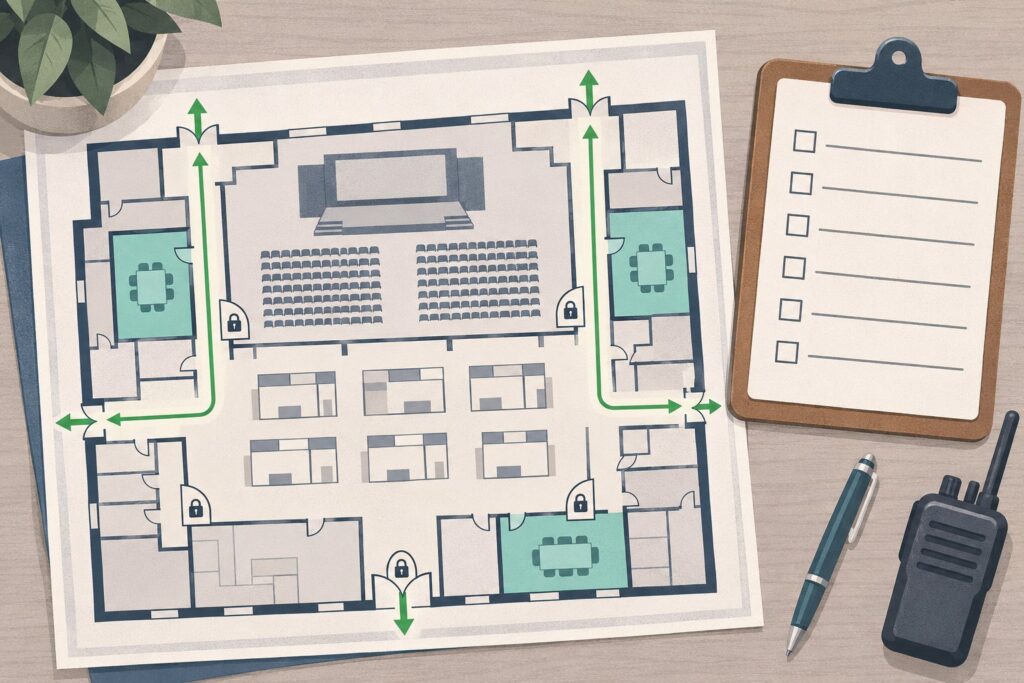
There are two documents, both free to download from GOV.UK as editable files. The standard tier planning tool takes you through the procedures you would use in an attack, which the SIA lists as evacuation, invacuation (moving people to safe areas inside the building), lockdown and communicating with staff and the public. You don’t need to send it to the SIA once it’s done.
The enhanced tier template is for larger premises and qualifying events. It covers the same procedures, plus how you assess your vulnerabilities and what you will do about monitoring, the movement of people, physical security and information security. The SIA says you should submit the completed template when the law comes in, and not before. Both pages were updated on 10 November to fix a few broken links and typos, so if you downloaded a copy on the first day it’s worth getting the current one.
The SIA describes the tools as a first step rather than a checklist. It says they were developed with volunteers from premises and events and with its protective security partners, and that preparations will look different depending on the venue or event and the resources available.
Which venues and events are in scope
The tier depends on how many people may be present at the busiest times, counting staff. According to the SIA’s guidance, premises where 200 to 799 people may be present at the same time are standard tier, and 800 or more is usually enhanced tier. Premises also have to be wholly or mainly used for one of the purposes listed in the Act, and some premises are excluded.
An event is a qualifying event only if all four of these apply. It’s expected to have 800 or more people at the busiest time (including staff), there are entry checks such as tickets, passes or wristbands, it’s open to the public, and it isn’t held at premises that are already enhanced tier. The SIA’s own example is that many traditional Christmas markets may not count, because entry isn’t controlled. It points people who are still unsure to the scope flowcharts on ProtectUK.
What it means if you book venues for events
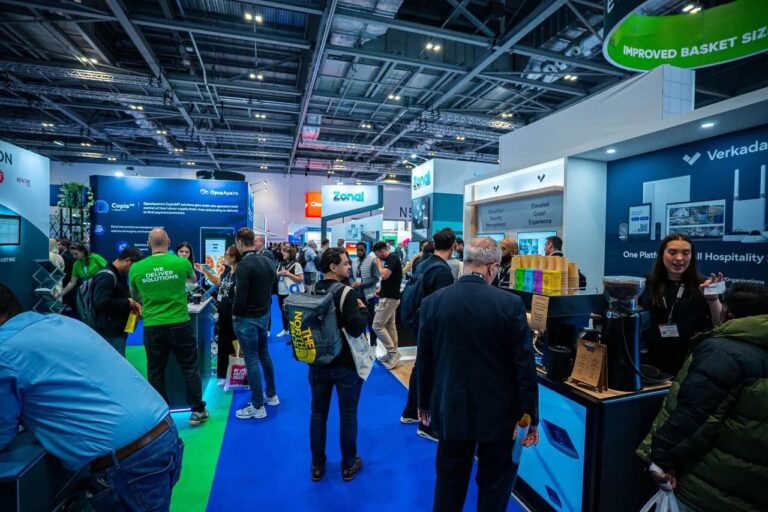
If you run conferences or exhibitions inside an established venue, most of this sits with the venue. The responsible person is whoever controls the premises for the use that is in scope, which the SIA says will usually be an organisation rather than an individual, and an event at premises already in the enhanced tier isn’t a qualifying event in its own right. It still makes sense to ask the venue how its procedures will apply to your event, for example how a lockdown would work in the hall you have booked and who on your team needs to know their role.
If you organise ticketed public events of 800 or more at premises that aren’t already in the enhanced tier, you may be the responsible person yourself. The enhanced tier template is the document you would eventually fill in, so this is a good time to read it. The SIA says there is no legal requirement for specific training, but anyone carrying out the procedures has to understand them and their role, and it points to free training on ProtectUK and from the NPSA.
The SIA was also clear that Martyn’s Law doesn’t mean community events have to be cancelled, or that organisers must hire security staff, buy new technology or bring in consultants. Laura Gibb, the SIA’s executive director for Martyn’s Law, said the new materials “are a first step” and that the regulator wants people to “help test the tools and templates and help us build something that works for premises and events of every size and type.”
What happens next
Feedback on both tools is open until 23 December through the form linked from the GOV.UK pages. In her update of the same day, Laura Gibb said the SIA has lined up more than 30 further premises and events for pilot inspections and is about to test its new digital service with users. When the law comes into force, premises and events in scope will need to notify the SIA who the responsible person is. The SIA will confirm the exact start date nearer the time.
If you are comparing event venues for a 2027 date, add Martyn’s Law to the questions you ask at a site visit, alongside the points in our guide to choosing the venue around the event.
Sources
- SIA press release, New tools to support preparation for Martyn’s Law, 9 November 2026
- SIA news story, Martyn’s Law working together to prepare, 9 November 2026
- Martyn’s Law standard tier planning tool and enhanced tier template, GOV.UK, published 9 November 2026, updated 10 November 2026
- Understanding Martyn’s Law and the SIA’s role as regulator, GOV.UK